
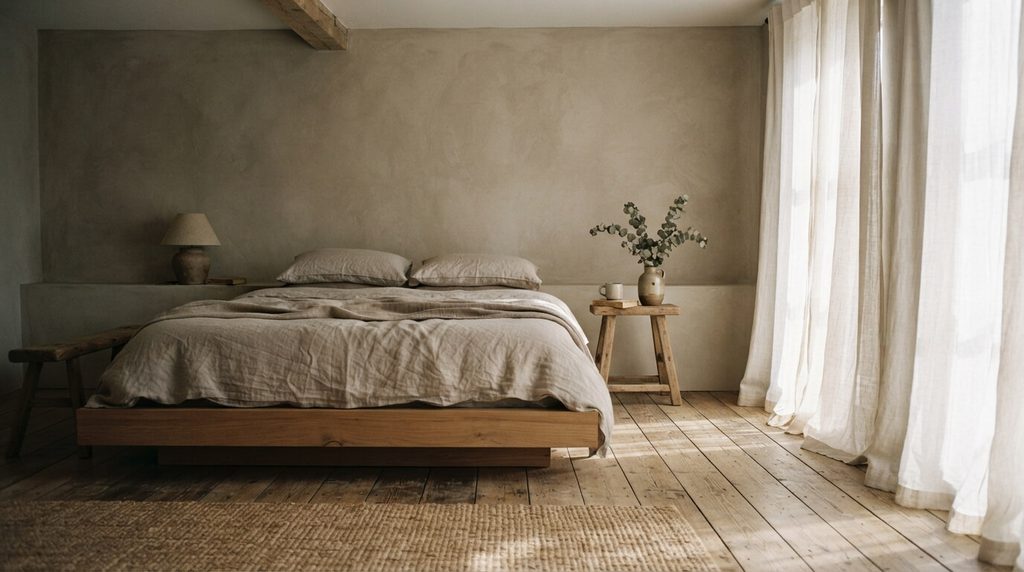
The ancient philosophy of wabi-sabi invites us to find deep comfort in the quiet beauty of imperfection and impermanence. In the context of modern bedroom design, this traditional Japanese aesthetic encourages a peaceful retreat from the chaotic external world. Rather than striving for flawless symmetry or pristine polished surfaces, a wabi-sabi sleeping space celebrates natural textures, gentle weathering, and organic forms.
Every element in the room serves a clear purpose while connecting the inhabitant to the steady rhythms of the natural world. By choosing simple raw materials and soft muted colors, you can transform your bedroom into a deeply restorative sanctuary. Through thoughtful material selections and restrained styling, you can create a restful interior that feels grounded, authentic, and effortlessly peaceful.
Low-Profile Reclaimed Timber Bed Frame
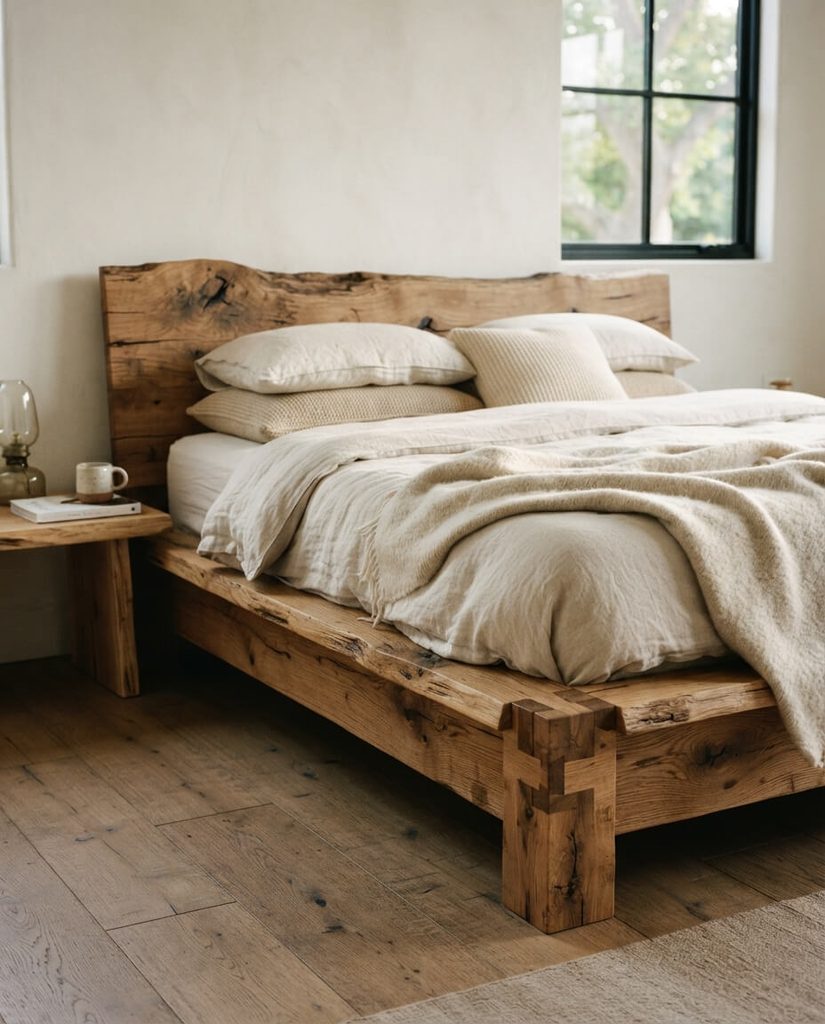
A low-profile bed frame creates an immediate sense of grounded stability within the sleeping quarters. Choosing reclaimed timber with visible joinery and natural knots brings historic character directly into the center of the room.
The live-edge detailing highlights the natural contours of the wood, reminding us of its organic origins. Keeping the bed close to the floor also enhances the illusion of higher ceilings and open vertical space.
Textured Limewash Accent Wall
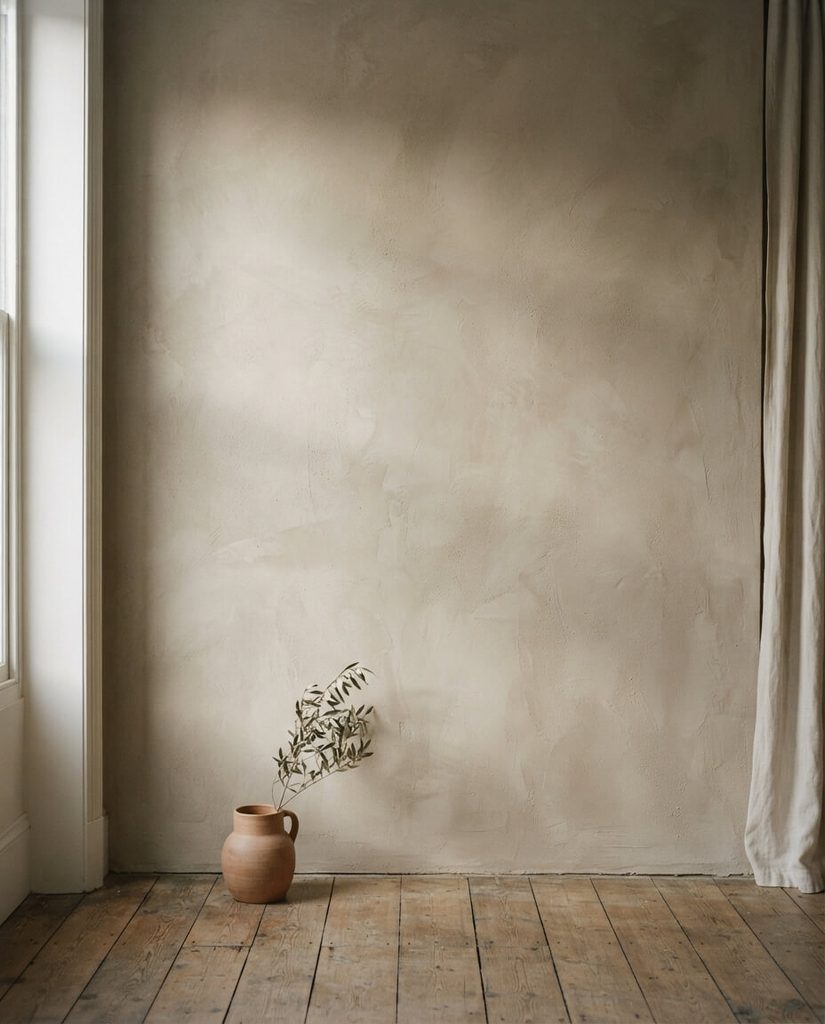
Limewash and Roman clay paint finishes bring painterly depth to bedroom walls without relying on bold patterns. An earthy greige tone absorbs natural morning light, creating subtle shifts in shade throughout the day.
The hand-applied texture features soft tonal movement that replaces the cold feeling of flat drywall with artisanal warmth. This gentle backdrop establishes a quiet atmosphere that allows raw wood and textiles to stand out.
Wrinkled Belgian Linen Bedding
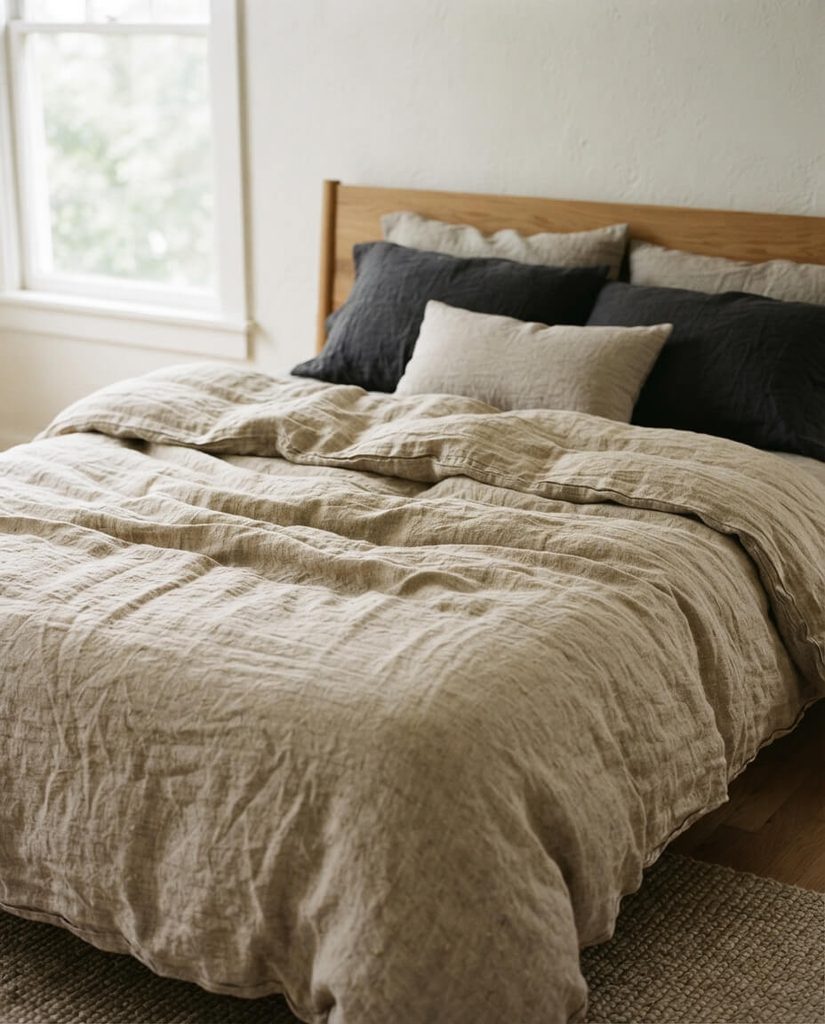
Unpressed Belgian flax linen provides an inviting, lived-in feel that embodies true functional comfort. Layering muted shades of stone, oatmeal, and deep charcoal creates visual contrast without introducing harsh patterns.
The naturally wrinkled texture of pure linen improves with every wash, celebrating the relaxed beauty of soft textiles. Skipping the iron allows the fabric to maintain its effortless drape and breathable softness.
Hand-Thrown Ceramic Bedside Lamp
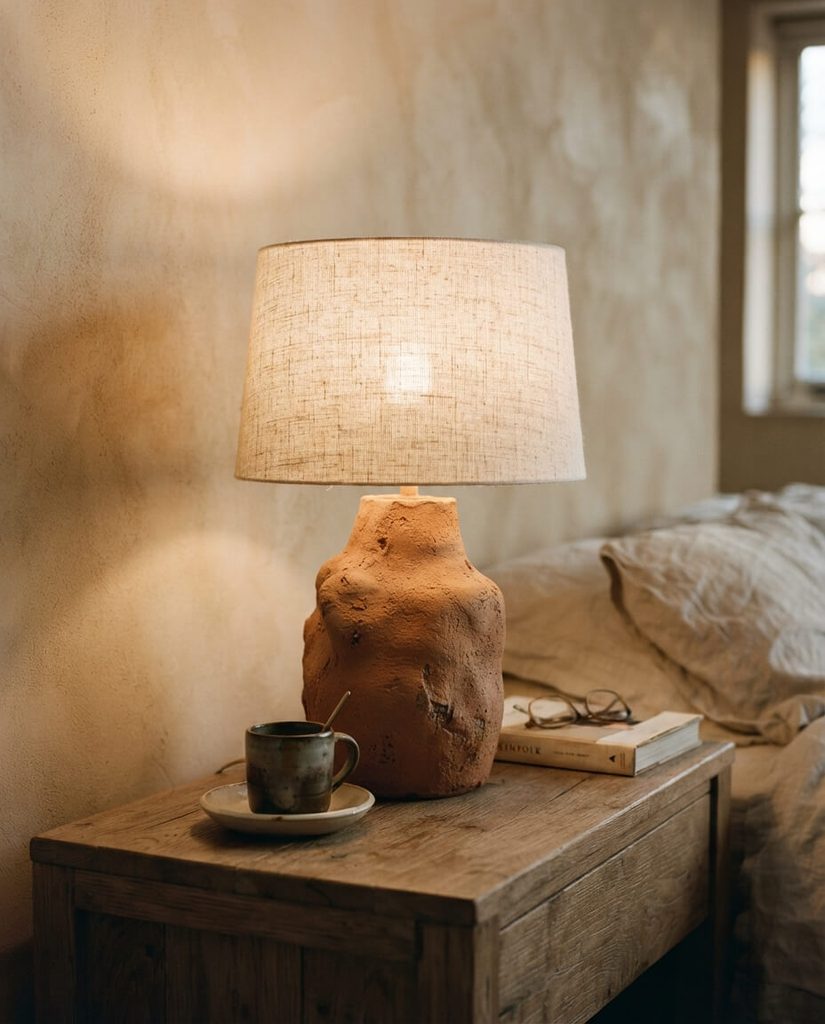
A hand-thrown ceramic lamp introduces a sculpted element to your nightstand arrangement. An unglazed terracotta base displays coarse granular texture and organic irregularities from the pottery wheel.
Topped with a woven linen drum shade, the fixture emits a warm glow that softens the surrounding space during evening hours. This functional lighting source doubles as a small tactile sculpture during daylight hours.
Floor-Skimming Sheer Drapery
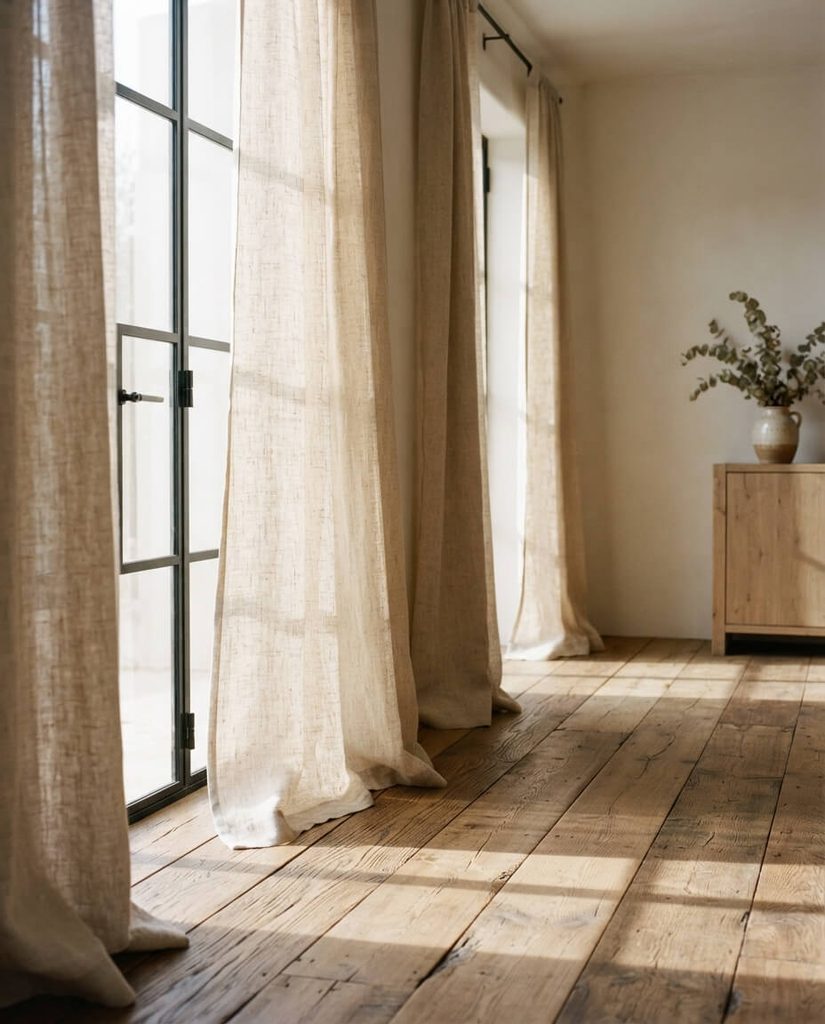
Slubby cotton-linen sheer curtains offer a refined way to filter direct sunlight into a gentle glow. As daylight passes through the textured weave, soft organic shadows dance across the distressed oak flooring.
Letting the fabric skim or slightly puddle on the floor adds a romantic, unstudied quality to the windows. This light drapery maintains privacy while preserving a strong visual connection to the outdoor weather.
Organic Suar Wood Stump Nightstand
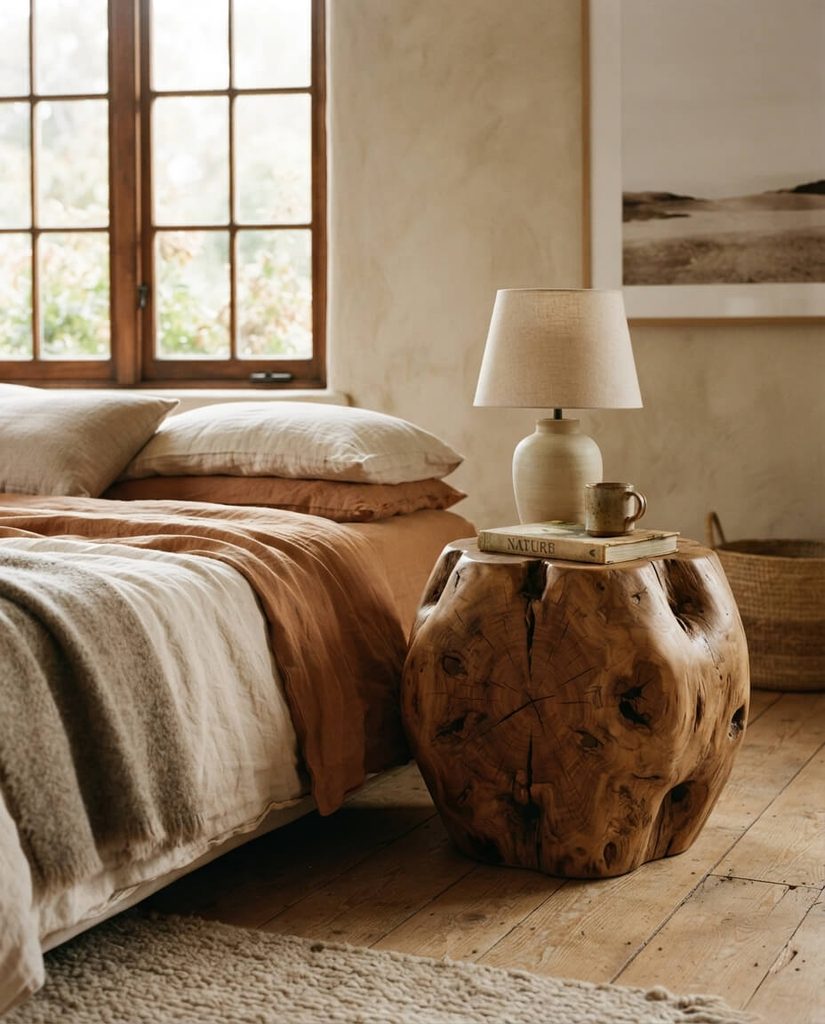
A solid suar wood stump nightstand introduces a bold raw element directly alongside the bed. Hand-carved contours reveal natural radial cracks, growth rings, and deep grain variations unique to each piece.
This compact block of timber provides a sturdy surface for a night lamp or a favorite book. Its organic silhouette breaks up the straight lines of traditional bedroom furniture.
Low-Sheen Woven Natural Area Rug
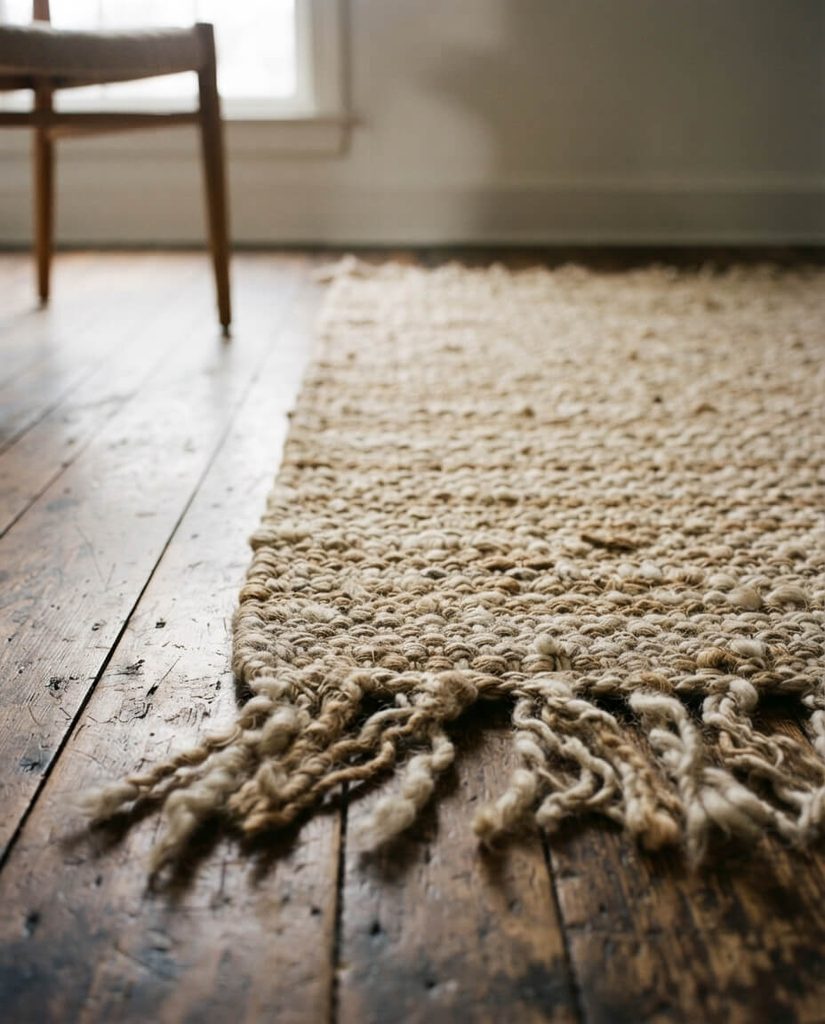
Floor coverings in a wabi-sabi space should feel grounding and pleasant underfoot. A low-sheen rug woven from raw wool, sisal, or jute anchors the furniture grouping with rich texture.
Irregular hand-spun fringes along the edges highlight the handcrafted nature of traditional rug weaving. The neutral palette keeps the focus on tactile surface variations rather than complex patterns.
Minimalist Japanese Paper Pendant Light
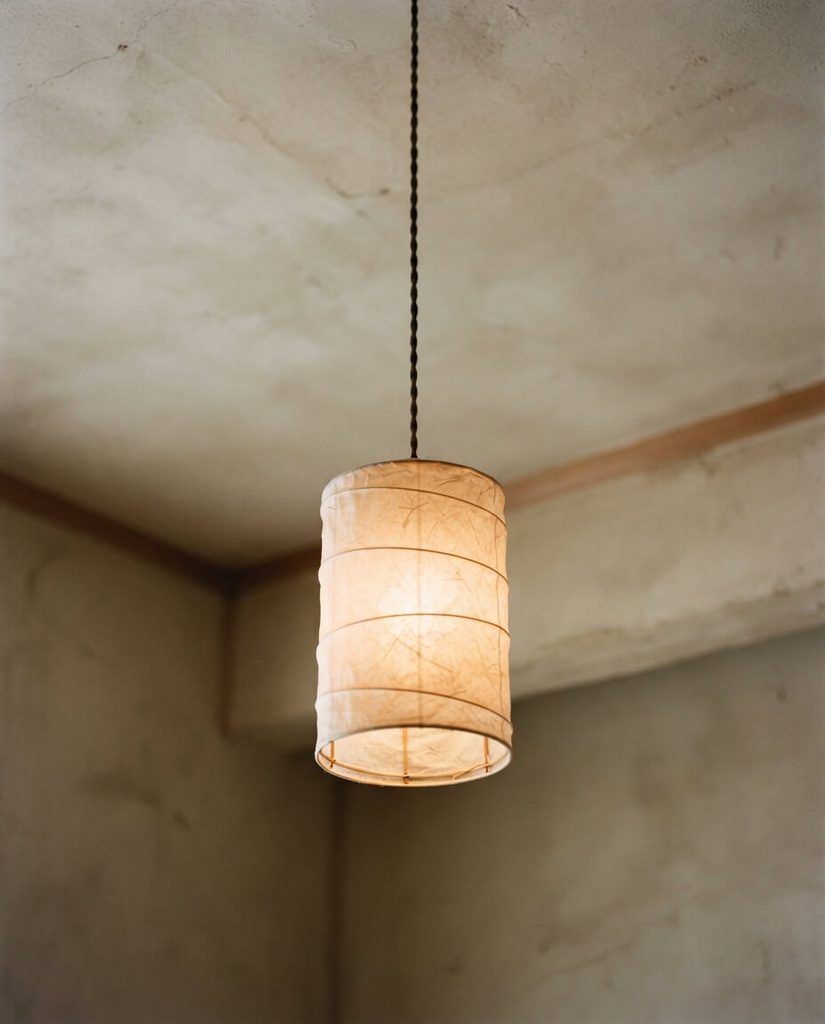
Suspended from above, a classic Japanese paper pendant light fills the room with soft ambient illumination. The lightweight translucent paper diffuses light evenly, eliminating harsh glare and stark shadows.
Hanging the fixture with a visible woven cord emphasizes its honest construction and delicate handcrafting. Its quiet sculptural presence floats effortlessly overhead, providing visual balance to heavier timber elements below.
Weathered Earthenware Botanical Vessel
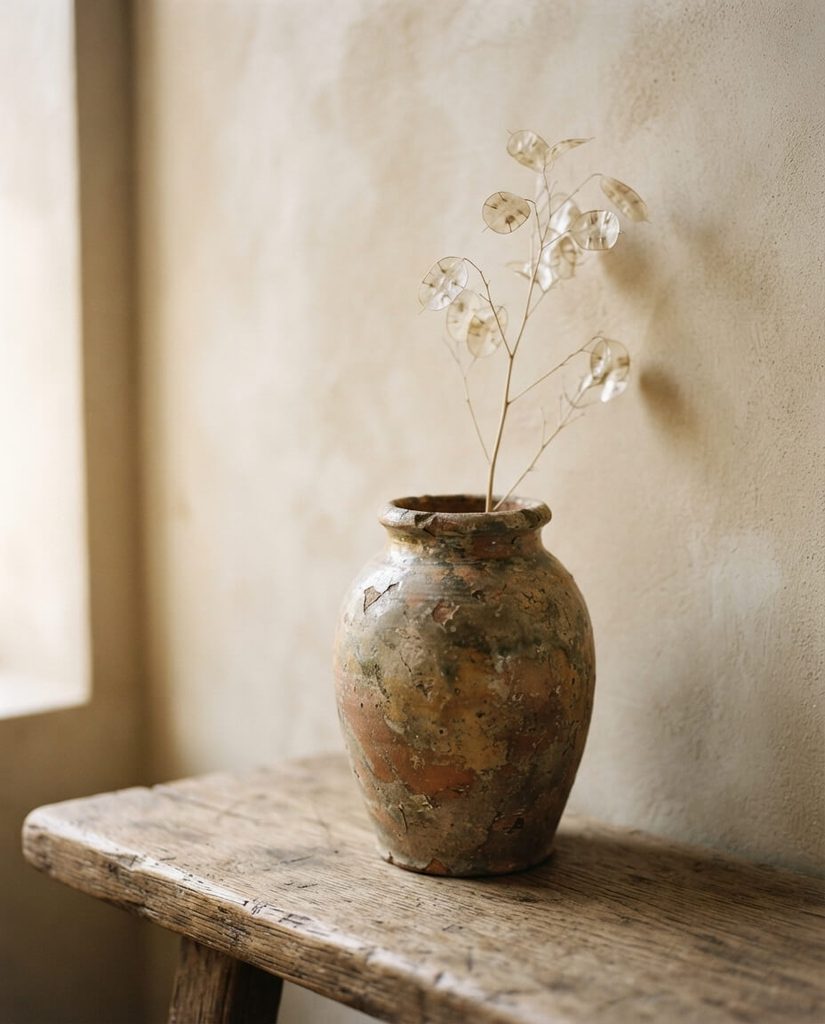
An antique earthenware vessel brings historical presence and subtle patina to a dresser or side table. Placing a single dried branch or wild botanical stem inside honors the minimalist principle of restraint.
This simple arrangement draws attention to the structural line of the branch and the weathered clay surface. It reminds us of seasonal change and the beauty found in dormant nature.
Salvaged Wood Headboard Shelf
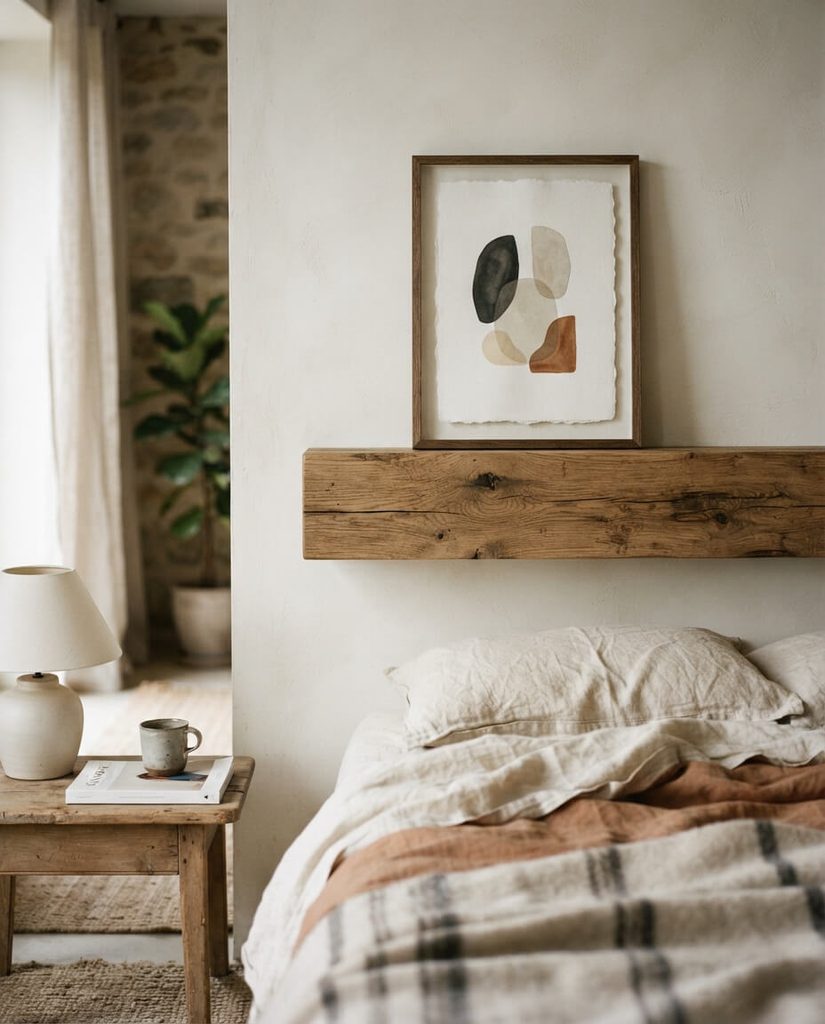
A floating shelf mounted above the headboard provides a quiet display area for meaningful objects. Crafted from salvaged wood, the shelf displays historical notches and aged grain that tell a story.
Displaying minimalist artwork on handmade deckle-edge paper adds delicate texture to the plaster wall. Limiting the display to one or two items preserves the calm, uncluttered feeling of the space.
Handwoven Textured Throw Blanket
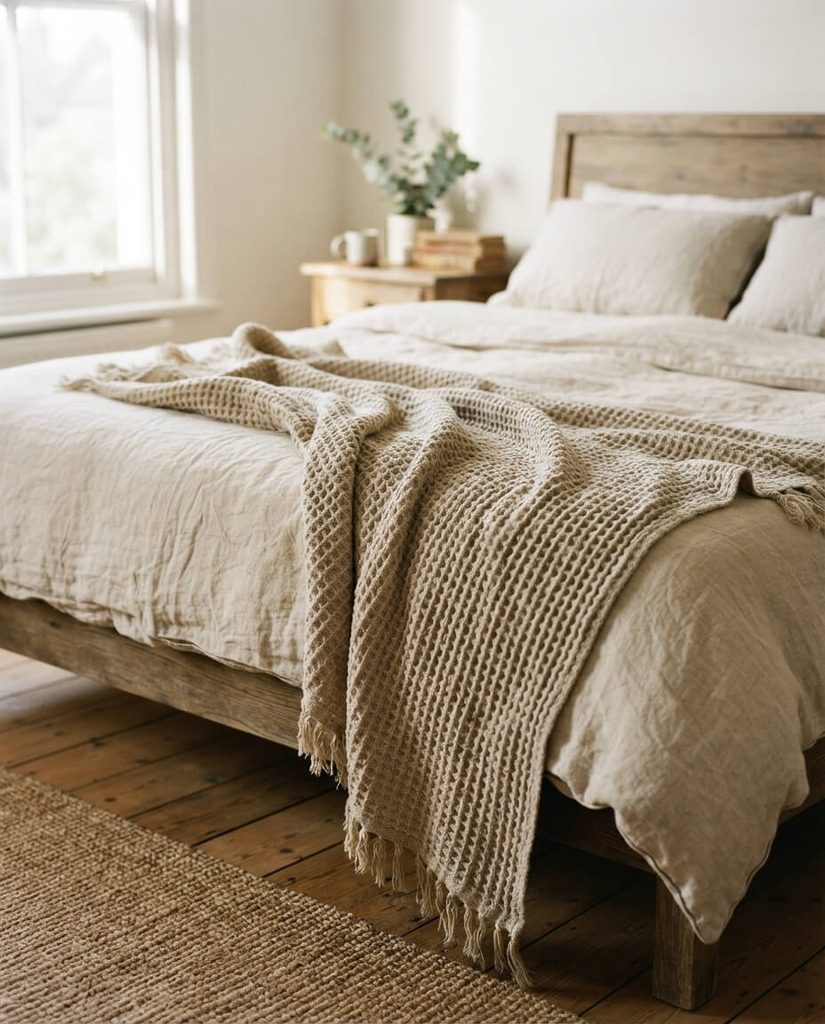
A casual throw blanket placed at the foot of the bed adds warmth and depth to your bedding layers. Choosing a handwoven waffle-knit or raw silk texture provides physical warmth and visual variation.
Draping the blanket casually rather than folding it neatly reinforces the relaxed aesthetic of the room.
Here are key characteristics of authentic wabi-sabi textiles:
- Made from raw natural fibers like silk, wool, or unbleached cotton
- Featuring tactile weaves such as waffle-knit or slubby hand-spun yarns
- Finished with soft frayed edges or hand-tied tassels
- Colored using muted earth tones derived from organic dyes
Conclusion
Designing a wabi-sabi bedroom is an ongoing journey of simplification and appreciation for quiet details. By selecting authentic materials like raw timber, linen, clay, and paper, you cultivate a sanctuary that feels deeply restful and grounded. This design approach reminds us that perfection is not required for a home to feel complete, welcoming, and elegant.
As time passes, natural wear and gentle aging will only enhance the character of your space. Emphasizing comfort and subtle craftsmanship yields a bedroom that nurtures both body and mind. Step back from fast design trends and allow your personal sanctuary to develop its own quiet story through natural textures and calm simplicity.