
Are you curious about a non-passive alarm system? An alarm system is the best way to deter car thieves from attempting to steal your car. The system will trigger a loud alarm sound that will capture everyone’s attention within proximity of the vehicle.
However, you need to know whether it is a non-passive or passive alarm system because there is an important difference between them. A passive alarm system automatically activates and deactivates the car alarm, while a non-passive alarm system requires you to activate and deactivate it manually.
In addition, your auto insurance company will likely give you a discount on your monthly premium rate if you have an alarm system installed. This article will provide an overview of what a non-passive alarm system is.
What Kind of Alarm System Do You Have in Your Car?
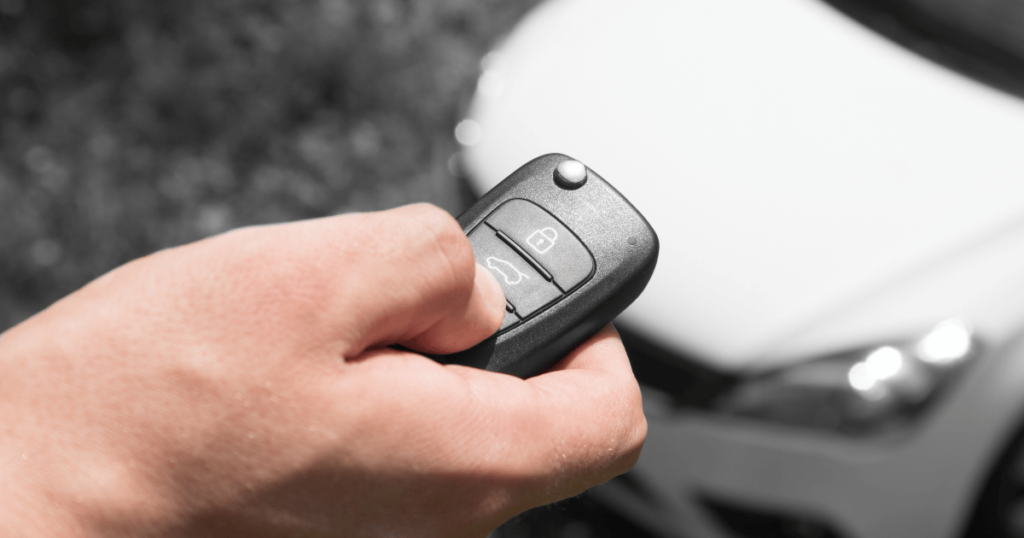
There is an easy way to tell whether you have a passive or non-passive alarm system in your car. Just use your physical key to lock, unlock, and open your driver’s side door. Don’t use your key fob remote for anything. If you hear the alarm sound off after opening the door, it means your car has a passive alarm system.
The reason is that a passive alarm system activates automatically. So, if you didn’t use a key fob to lock, unlock, and open the door, but the alarm still went off, it means the alarm was automatically activated. Only the key fob or turning on the ignition can deactivate the passive alarm system after it sounds off.
Suppose the alarm does not sound off after locking, unlocking, and opening the car door with a physical key. In that case, it means you have a non-passive alarm system because the alarm was not activated with the key fob. That is how you will know whether you have a passive or non-passive car alarm system.
Why Choose a Non-Passive Alarm System?
A layperson might think that a passive alarm system is better because it automatically activates when you take your key out of the ignition, get out of the car, and close the door. Unfortunately, one of the big problems with that is the irritation and embarrassment it will cause you if you need to return to your car and open the door.
For instance, let’s say you close your car door and then forget something inside the car. If you don’t use your key fob to deactivate the alarm system, the alarm will sound off as soon as you open the door again. That happens a lot with car owners who have passive alarm systems in their cars.
On the other hand, a non-passive alarm system gives the driver total power and control over the alarm system. Since you must manually activate the non-passive alarm system, you can decide when and where you would like to activate the alarm, if at all. That way, you don’t accidentally trigger the alarm when you’re still going in and out of your vehicle after turning off the ignition.
You can use a key fob remote to activate and deactivate a non-passive alarm system at your convenience. Many car owners appreciate having this kind of flexibility with their alarm system.
The best part is that the non-passive alarm system still provides many of the same benefits as a passive alarm system, especially when it comes to auto insurance discounts and protecting your vehicle.
The Benefits of Non-Passive Alarm Systems

Are you thinking about installing a non-passive alarm system in your car? Below are the top four benefits and features to consider:
Total Control with a Key Fob
The key fob gives you full control of your non-passive alarm system. One push of the button is all it takes to activate and deactivate the alarm system. Some cars allow you to enter a keypad code too.
The alarm will never activate unless you manually push the button on the remote. Because of this, you will never accidentally trigger the alarm when you want to access your vehicle quickly.
Mobile App Control
The latest non-passive car alarm systems can connect to Android and iOS mobile apps. For instance, if you download the alarm app onto your phone, it can serve as another key fob for your alarm system. It will even give you status updates and alerts in real-time.
The great thing about the app is that you can activate and deactivate your passive alarm system from any location. You don’t have to be within proximity of the vehicle like you do with an ordinary key fob.
This will be useful if you go on vacation and leave your car behind without remembering to activate the alarm. In this case, you can take out your mobile app and activate the alarm system wherever you are.
Unauthorized Entry Disables Vehicle
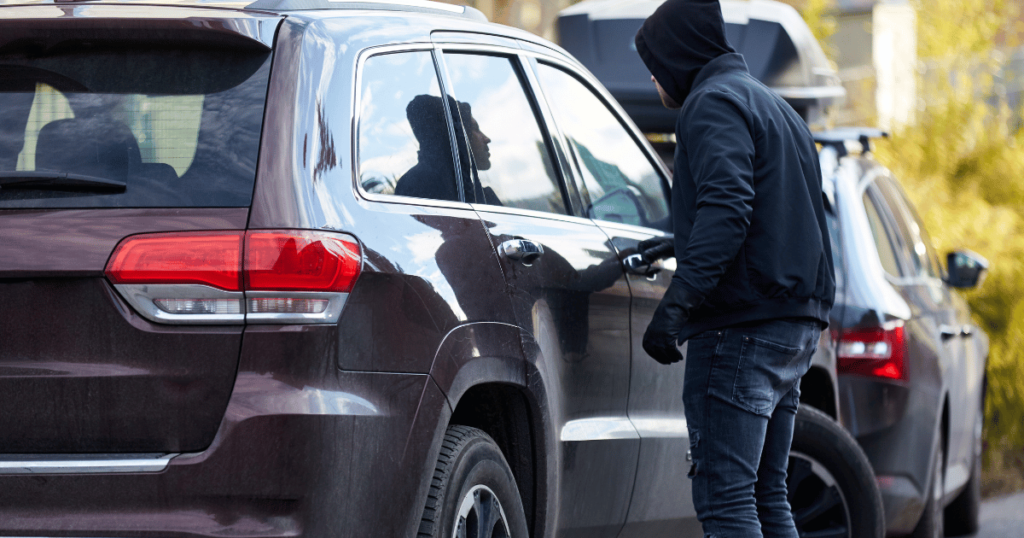
No car thief will be able to drive away in your vehicle if the alarm system is activated. As soon as the thief opens the door forcibly, the alarm sound will go off to alert nearby people of what is going on.
Furthermore, the alarm system will also turn off the car’s fuel circuit, starter motor, and ignition system to prevent the thief from driving away in your vehicle. So, even if the loud sound of the alarm doesn’t scare away the thief immediately, they won’t stick around too much longer if they cannot start the vehicle to steal it.
Related Article: Why Thieves Steal Car Registration
Integrate with Other Anti-Theft Devices
Do you have existing anti-theft devices installed in your vehicle? The latest non-passive car alarm systems can integrate with the most common anti-theft devices used today, including dashboard cameras, GPS trackers, and engine immobilizers.
Contact a professional car security expert to assist you with this integration because compatibility between the alarm system and certain anti-theft devices is not guaranteed.
Conclusion
A non-passive car alarm system is a wise investment to increase the security, flexibility, and control you have over your car. It gives you complete power to manage the security of your vehicle with the push of a button. All you have to remember is to activate the car alarm system when you want to secure it. Then, let the system do the rest.